
IBC 2026 TV Chases Attention Across Every Screen
From AI in broadcast workflows and creator-led media to FAST, microdrama and vertical video, IBC 2026 showed how television is being rebuilt for audiences moving between screens.
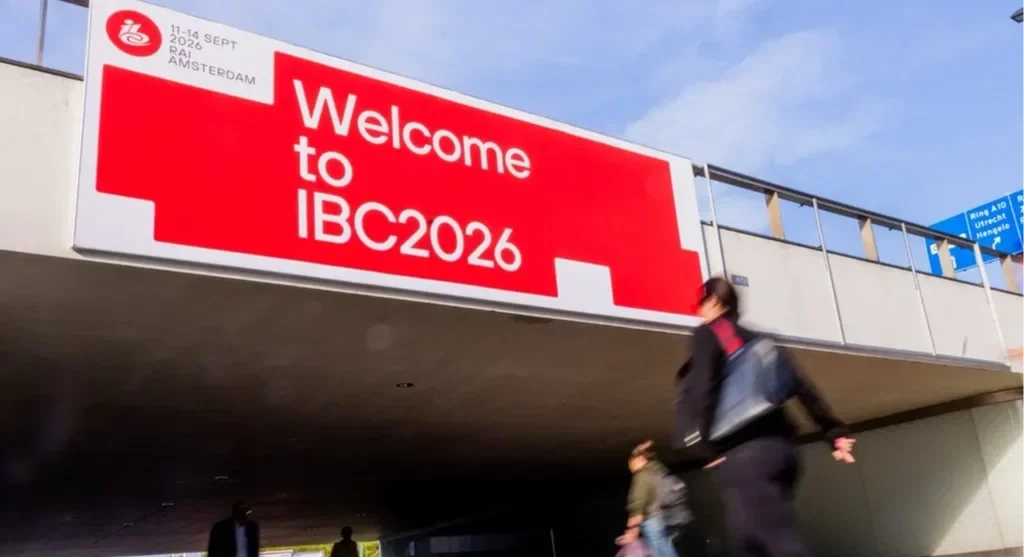
IBC 2026
By Łukasz Wysocki, Founder and Managing Director, MediaSpurs
IBC 2026 drew 41,225 attendees from 170 countries and more than 1,300 exhibitors to Amsterdam, confirming its position as the television industry’s biggest annual meeting point.
MediaSpurs was there, on stage and in meetings across the RAI, discussing where the industry is heading and what the next wave of change means commercially for broadcasters, platforms and content owners. The wider story was how far the definition of television had stretched, bringing creators, sports organisations, vertical-video specialists and a new generation of AI businesses into the same conversation.
AI Gets Practical
Artificial intelligence dominated the RAI, although this time it felt less like a promise and more like infrastructure. The Australian Broadcasting Corporation showed how AI is already supporting transcription, content discovery and access to its enormous archive. Olympic Broadcasting Services demonstrated automated highlights, computer vision and instant summaries that help manage thousands of hours of live sport without removing human producers from the process.
Similar applications appeared across the show. Nine Entertainment's Stan is using AI scene analysis to improve metadata, search and advertising placement across more than 17,000 assets. Prime Video demonstrated AI-assisted lip-sync dubbing, while TiVo introduced a conversational entertainment assistant that can search for content by mood, actor, quotation or sports team. For me, this was the clearest change at IBC: the AI conversation moved from generating more content to making existing content easier to find, localise, distribute and monetise.
Television Moves Beyond the TV Set
Evan Shapiro, Media Cartographer at ESHAP, provided the broader audience context. He described a user-led 'pull era' in which the same person moves constantly between television, streaming, social video and mobile, with the phone acting as the remote control for everyday life. His point was not that television is disappearing, but that industry categories no longer reflect the way people consume video. Netflix, broadcaster platforms, YouTube, TikTok and Instagram now compete for the same time, even when their business models remain very different.
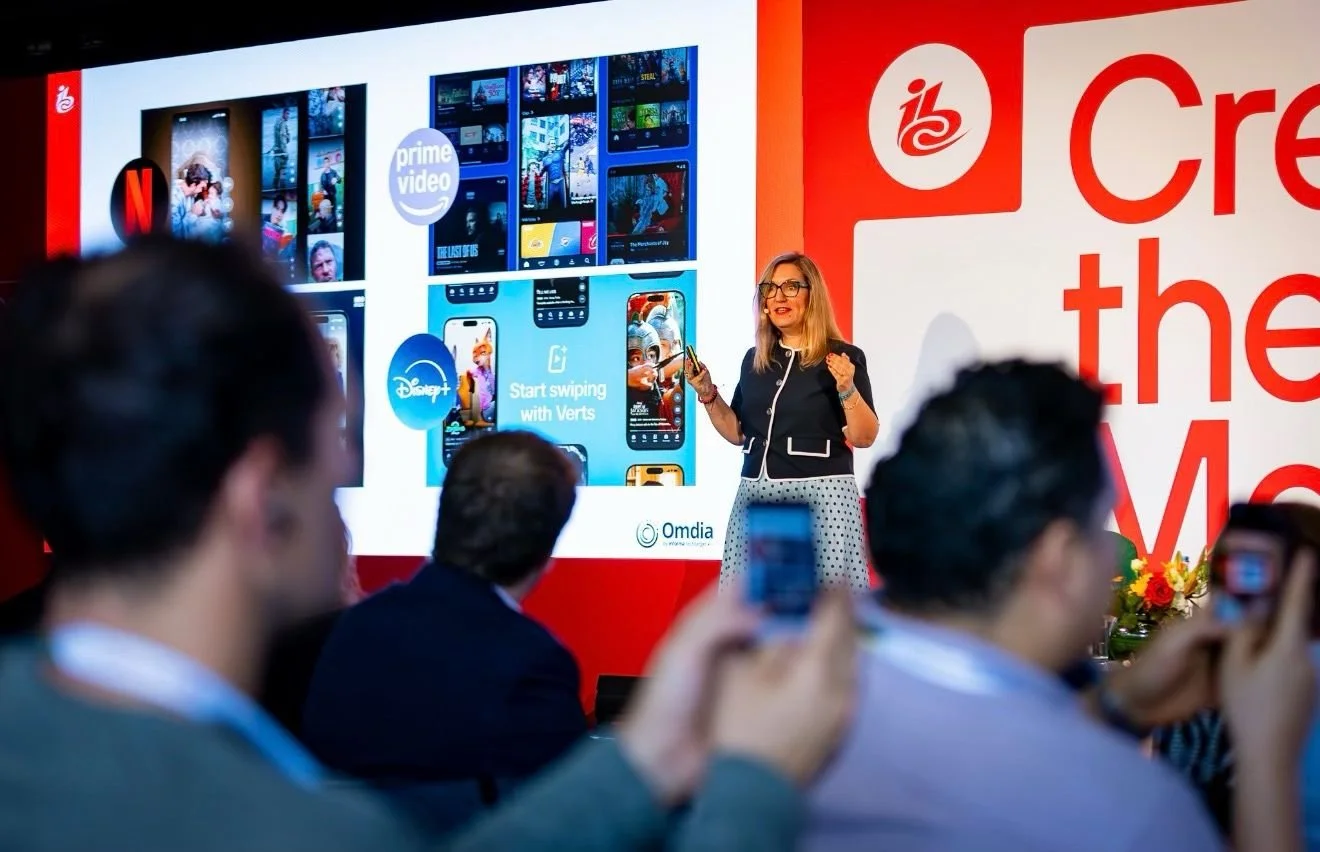
María Rúa Aguete, Global Head of Media and Entertainment at Omdia
María Rúa Aguete, Global Head of Media and Entertainment at Omdia, put numbers behind that competition. Around three in four US television viewers now use other media on a smartphone while watching TV. Even among viewers aged 55 to 64, simultaneous smartphone use increased from 42% in 2023 to 56% in 2026. The television set may still be the biggest screen in the room, but it no longer has the room to itself.
Creators Enter the Television Business
The battle for attention is bringing creators and traditional media closer together. Creator brands are expanding into long-form programming, live events and streaming commissions, while broadcasters are adopting their faster, community-led approach to developing content.
Helen O’Donnell, Interim VP of Content & Creators at BBC Studios Digital Brands, said creators already understand how to edit, engage and tell stories for the audiences they have built. “Creators are creatives,” she said. “They’ve built their muscle. They know how to edit, how to engage, how to tell stories. Mutual respect is the key.”
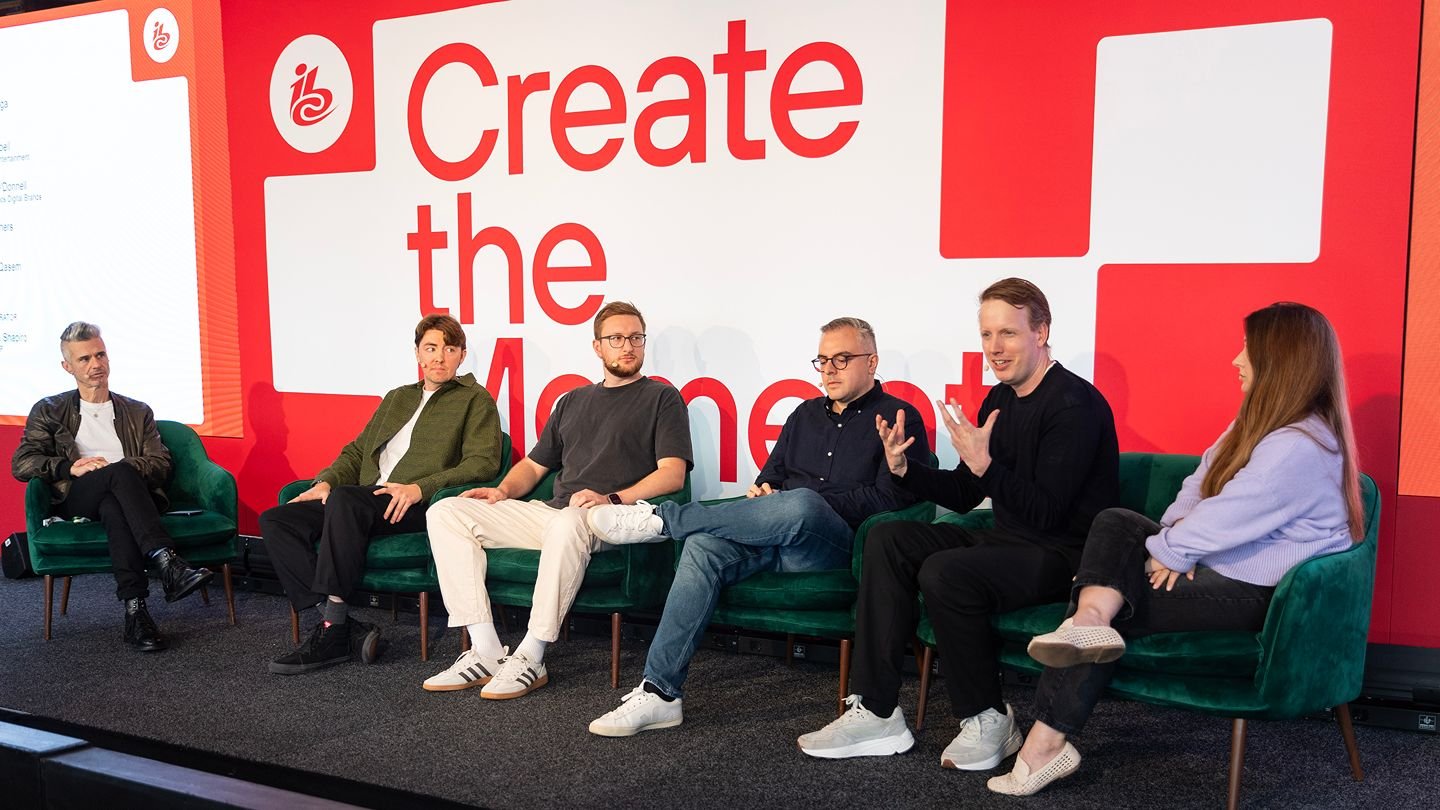
IBC panel: Creator culture is no longer a side‑show
For established media companies, the opportunity is not simply to imitate them, but to combine that platform-native instinct with recognised intellectual property, production expertise and wider distribution.
Vertical Video Moves Into the Mainstream
Microdrama and vertical video formed one visible part of that wider shift. AWS pushed a microdrama studio as their main activation on their stand, while María Rúa Aguete moderated an IBC session with Anatolii Kasianov, Co-Founder and Co-CEO of HOLYWATER TECH, and Lior Friedman, Co-Founder and Head of Business Development at RoseBerry. Their discussion moved beyond episode length to the real commercial questions: retention, repeat viewing, audience ownership and sustainable economics.
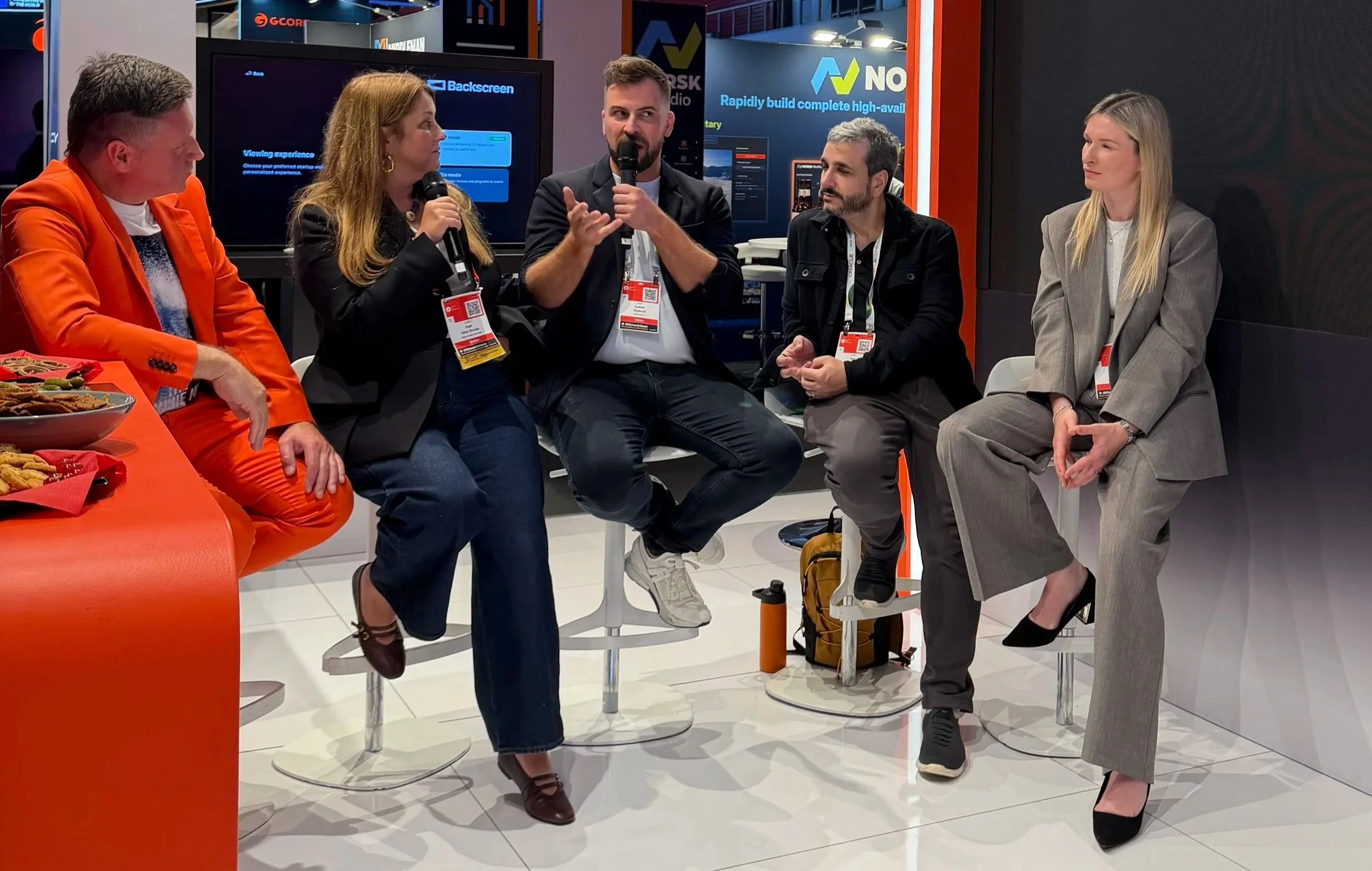
IBC: Backscreen panel
The same issues shaped Backscreen's See Vertical Money panel, which brought together Monika Skelte of LNK Go in Lithuania, Igor Macaubas of Globo in Brazil, European media expert Inga Alika, Backscreen Chief Commercial Officer Jan Frelek and Łukasz Wysocki, representing MediaSpurs. The debate focused on where vertical content should sit inside a media company, how it should be sourced and where revenue can come from. Producing in 9:16 is the easy part. Building the rights, distribution, technology, marketing and payment model around it is much harder.
What It Means for CEE
For broadcasters, operators and streaming platforms across CEE, including Poland as the region's largest media market, this creates several opportunities rather than one universal answer. AI can unlock archives and accelerate localisation. Creator partnerships can open a more credible route to younger audiences. FAST can create new value from existing libraries, while microdrama provides a relatively contained way to test mobile-first scripted entertainment. International content owners and media technology companies, meanwhile, still need local representation, distribution partners and market knowledge to turn global products into regional businesses.
IBC 2026 did not reveal a single future for television. It showed a market becoming larger and more complicated, with content moving between television sets, streaming services, creator platforms and smartphones. The companies most likely to benefit will be those able to connect the technology with strong intellectual property, clear commercial partnerships and a real understanding of how audiences behave.
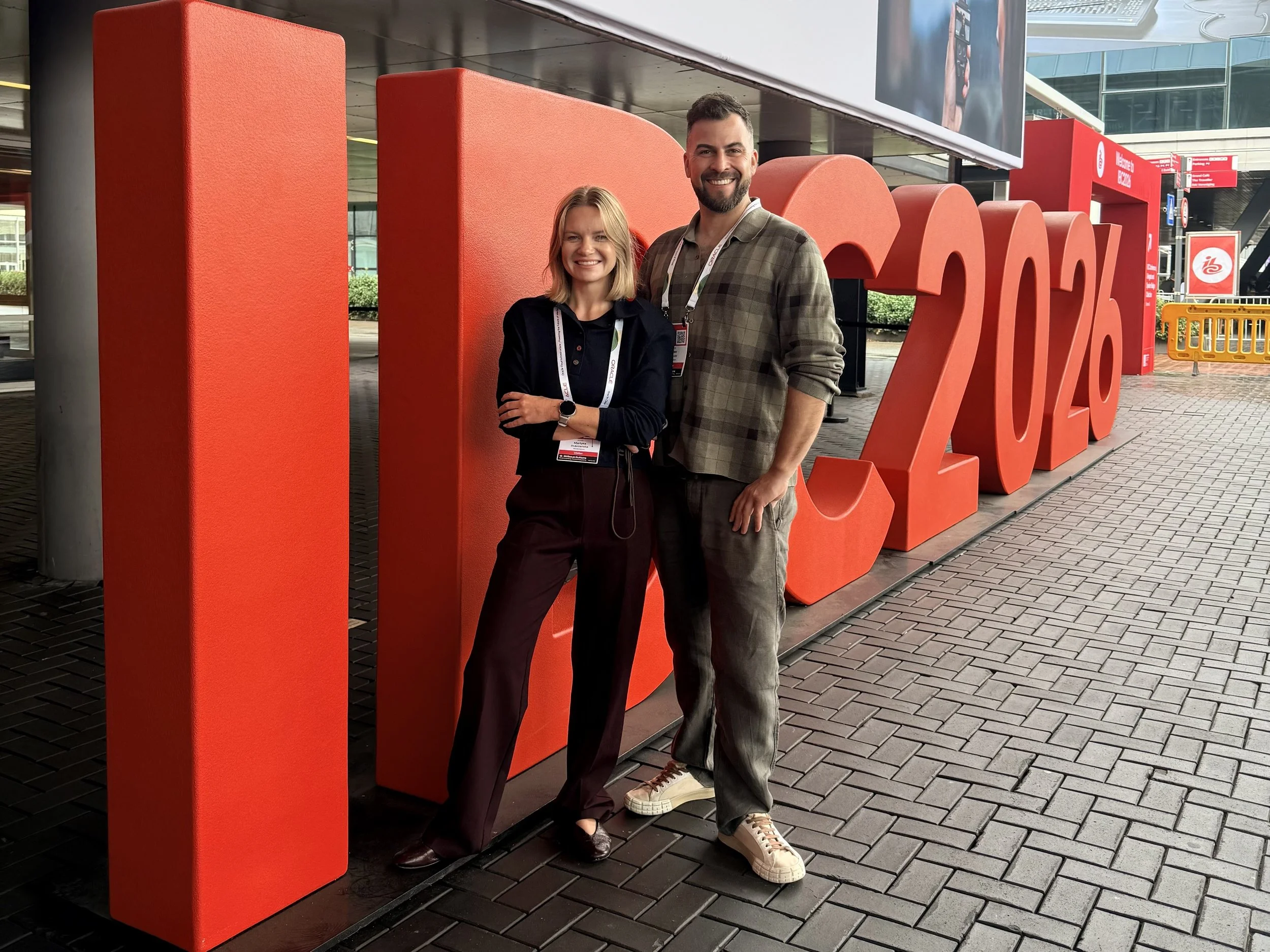
IBC 2026: Łukasz Wysocki & Martyna Dobrzańska - MediaSpurs
About MediaSpurs
MediaSpurs is an independent commercial representation and market-development partner for international TV channels, streaming platforms, content owners and media-technology companies entering and growing across CEE. Its work covers market entry, distribution, business development, broadcaster and operator partnerships, local representation, trade marketing and emerging media, including microdrama and vertical entertainment.
